
Is Ilhabela worth adding to a Rio de Janeiro itinerary?
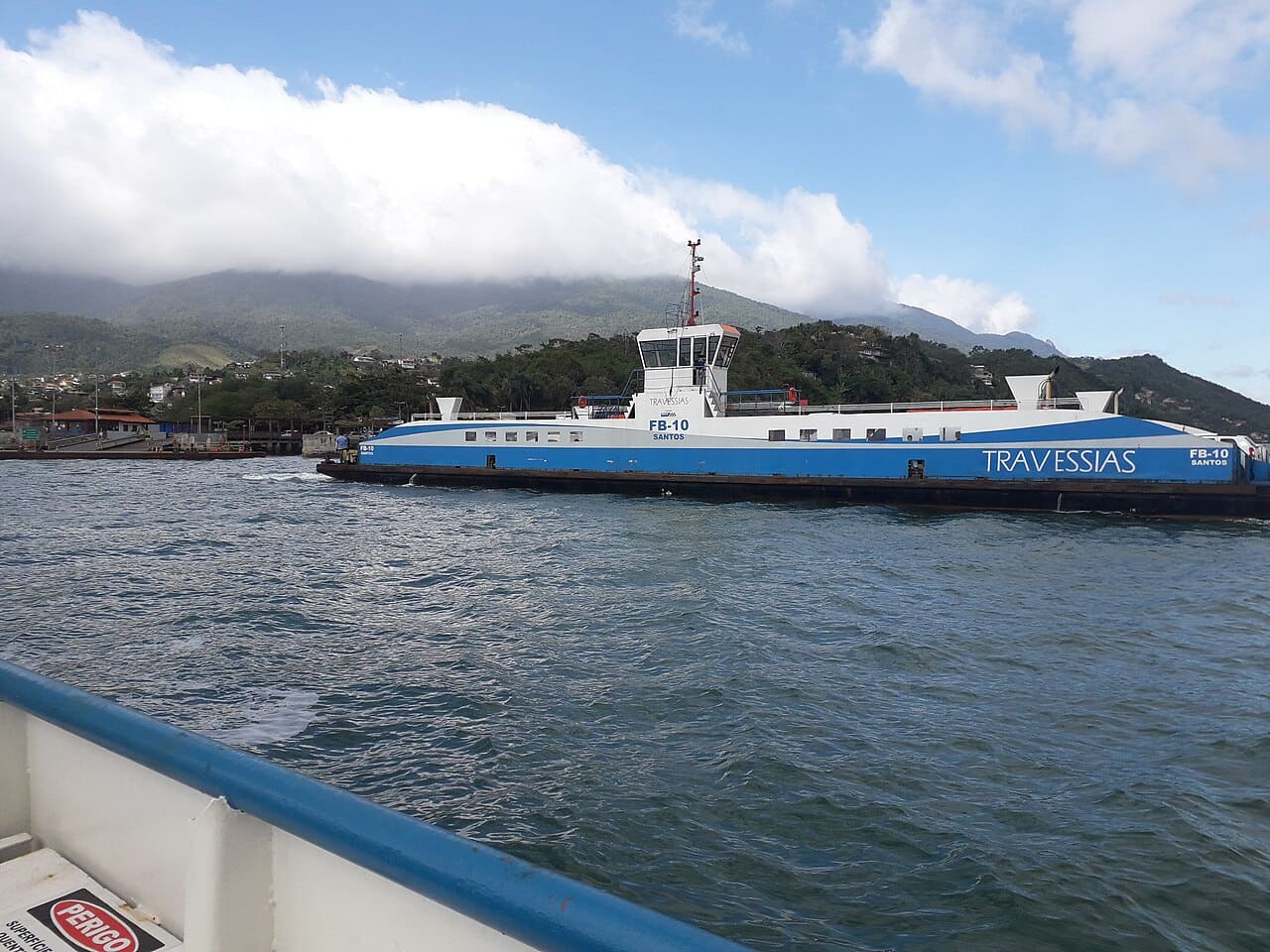
This question lands in our inbox every week, almost always in the same shape: “I am spending a few days in Rio de Janeiro, is it worth pushing on to Ilhabela?”. The people answering live on the island (our group’s hostel has operated in its historic center since 2016), so our interest in saying “yes” is obvious and declared. Which is exactly why the answer starts with a partial no: for a share of itineraries, extending the trip here is a mistake, and we would rather tell you now than welcome you tired and out of time.
This guide runs the full math: what the extension costs in days and money, what it gives back, the route in practice and the final yardstick by available time.
The quick answer
It is worth it if, and only if, you have at least 3 free days left after Rio, not counting travel. Ilhabela sits on the north coast of São Paulo state, and the way there from Rio is a full day on the Rio-Santos highway (or two half days, with a night in Paraty along the way, which is the right way to do it). A day trip does not exist, and two nights barely pay for the journey. With less time than that, stay on the Rio side: Paraty and Ilha Grande deliver beach and history without crossing the state line, and the comparison Ilha Grande or Paraty settles that choice. With 3 or more days to spare, the extension gives back what the Rio stretch does not have: a park island with trails, dozens of free waterfalls and the ferry crossing as an arrival ritual.
The duel: push on to the island or stay on the Rio axis
Ilhabela’s opponent here is not Rio de Janeiro itself, it is the classic itinerary that already works without it: Rio city, Paraty and Ilha Grande. Criterion by criterion, what the extension changes.
Beaches
Honesty first: if your itinerary already includes Ilha Grande, the beach gain from extending is small. Lopes Mendes and the lagoons on the Rio side go head to head with any sand on the São Paulo coast. Ilhabela lists 42 beaches and its strongest ones must be earned (4x4, boat or a long trail), as the ranking of the most beautiful beaches in Ilhabela shows. Beach alone does not justify the extension.
Winner: staying on the Rio axis, if beach is the only criterion. Keep reading, because it is not.
Trails and waterfalls
Here the extension pays for itself. Most of Ilhabela is closed state park, and that yields what the Rio stretch does not concentrate: dozens of cataloged waterfalls, most of them free, from the accessible ramp at Toca to the self-guided Água Branca trail with its five natural river pools, mapped in the guide to Ilhabela waterfalls. For anyone who likes climbing, Pico do Baepi tops out at 1,048 meters with the whole channel as the reward, and the island’s best hikes will fill as many days as you have. Ilha Grande has trails to match; waterfalls in volume are the São Paulo island’s specialty.
Winner: pushing on.
Infrastructure
After days of dirt streets on Ilha Grande and pé de moleque paving in Paraty, Ilhabela hands back comfort without breaking the spell: a functioning town, a R$ 10 municipal bus along the channel axis, restaurants from set-menu lunch counters to chef-run kitchens, lodging from dorm bed to hotel, and the Vila with its promenade and live music at night. It is a trip ending that lets you rest before the flight.
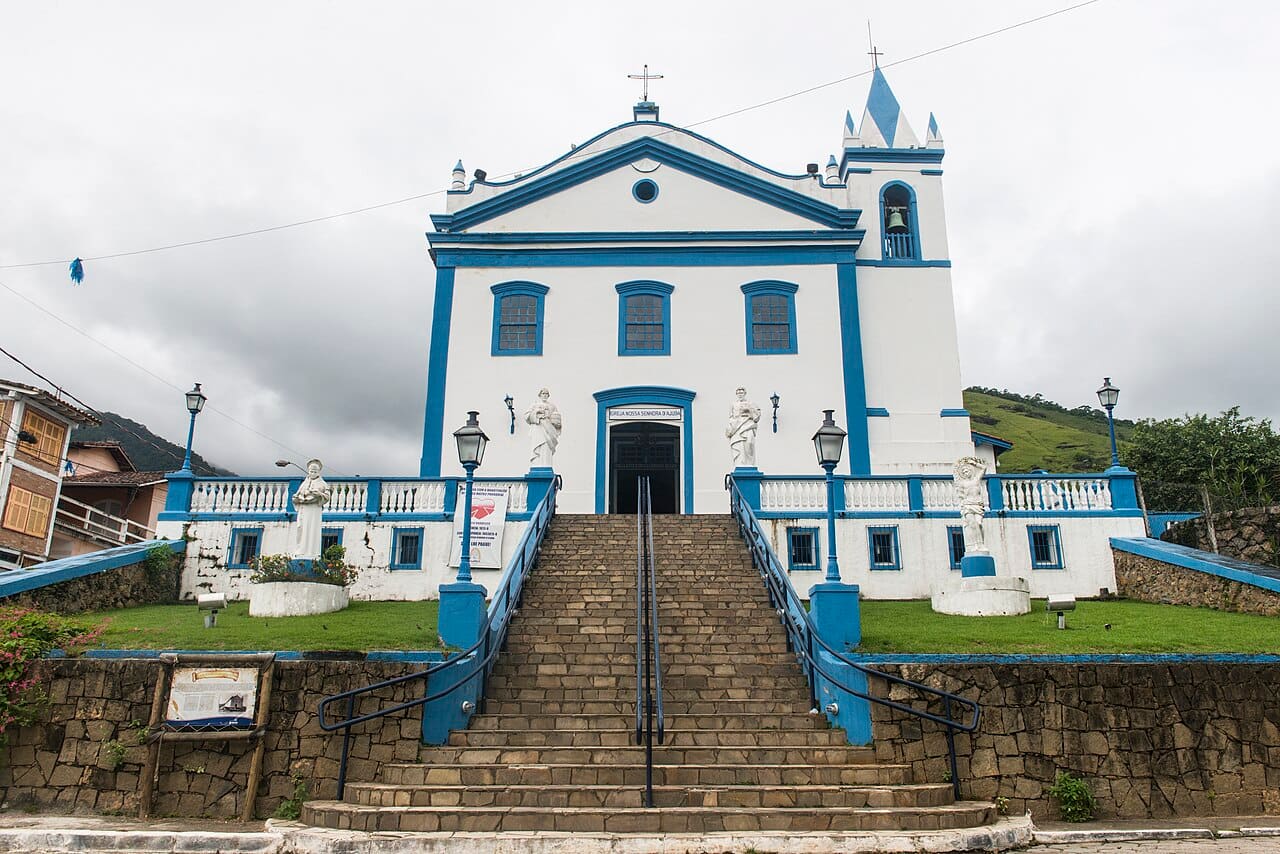 The Vila, Ilhabela’s historic center: the comfortable end of the line. Photo: Maristela Colucci/MTur, public domain, Wikimedia Commons
Winner: pushing on.
Cost
The extension costs three things: the transport (Rio to Paraty bus from around R$ 120, the local legs to São Sebastião and the free pedestrian ferry), the extra nights (a backpacker day in Ilhabela closes between R$ 130 and 240, open math in Ilhabela travel costs) and, the most expensive of all, the time: two half days of road that nobody gives back. By car, add the free flow tolls on the Rio stretch (R$ 4.80 per gantry on weekdays, R$ 7.90 on weekends) and the attention they demand: without a tag, payment is on you within 15 days, as the guide to how to get to Paraty explains.
Winner: staying on the Rio axis, on the cold criterion. The extension only pays off when time dilutes that cost.
Access: the route, in practice
The good news: the road is among the most beautiful in the country, and you can turn it into part of the trip. The shape we recommend for anyone going without a car:
- Rio to Paraty: Costa Verde company bus from the Novo Rio terminal, from around R$ 120, 4h30. Sleep one night (or two) and see the historic center in the late afternoon, when the lanterns come on.
- Paraty to São Sebastião: the weak link. The Paraty to Ubatuba hop has few departures per day; confirm at the bus station the day before, no exceptions. From Ubatuba, another regional bus continues to São Sebastião. The connections, with a plan B, are in the guide to the Costa Verde without a car.
- The ferry: 20 minutes across the channel, free for pedestrians, running 24 hours. It is the only stress-free leg of the route, detailed in where is Ilhabela and how to get there.
- The return: do not go back to Rio. Take the bus down to São Paulo (R$ 101 to 123, 4h30) and fly from there. An open-jaw ticket, arriving through Rio and leaving through São Paulo, usually costs about the same as a round trip and saves a full day of road.
By car, the logic is the same: Rio-Santos to São Sebastião with a night in Paraty in the middle, and drop the car in São Paulo if the rental company allows it. The road is single lane for almost the entire way, and on holidays the times double without apology; count that into your day math before deciding.
Winner: technical tie. The route is doable and scenic, but it eats time, and it is what sets the 3 day yardstick.
Who it is worth it for, and who it is not
Worth it for anyone with 10 or more days in Brazil, for anyone flying out of São Paulo anyway, for anyone who wants waterfalls and trails after the beach, and especially for anyone traveling between May and August, when humpbacks cross the São Sebastião channel with a June and July peak, as the guide to Ilhabela in winter tells.
Not worth it for anyone with 7 total days in Brazil (Rio plus Paraty or Ilha Grande already fill them well), for anyone who hates road time, and for anyone who would go just to “tick off one more destination”: the island refuses to be ticked off in a hurry.
The summary table: your yardstick by free days
| Days left after Rio | Verdict |
|---|---|
| 1 to 2 | Do not extend. Stay in Paraty or Ilha Grande |
| 3 to 4 | Worth it: one night in Paraty on the way, the rest on the island |
| 5 or more | Worth it with room to spare: the full Costa Verde trio |
How we would do the road
With 5 days or more, the Rio stretch of the route has an insider way of being done, with the usual declared interest: the Albatroz expedition, our group’s 23 meter schooner, leaves Paraty and takes care of Ilha Grande (or the Mamanguá fjord) with you sleeping on board, chef and crossing included, before you head down the road toward the ferry. The full plan for that link-up is in Ilhabela, Paraty and Ilha Grande on one trip.
And on arrival at the island, the transparency of the people writing: our house is Hostel da Vila, an eco lodge in the historic center, on the channel side, a few minutes’ walk from the ferry landing. Some guests arrive on foot with their backpack on, cross the gate, dive into the pool heated to 32°C and only then realize the road is over.
The verdict
Ilhabela is not a side trip from Rio de Janeiro: it is a full destination that happens to sit on the way home for anyone leaving through São Paulo. Treat the extension that way and it repays every hour of Rio-Santos; treat it as an ambitious day trip and it becomes frustration with a nice view. The yardstick is simple and we stand by it: 3 free days or more, come; less than that, the Rio side is waiting for you, and the definitive guide to the Costa Verde shows how much it delivers.
The next step is a single one: open your calendar and count the days you really have left. The rest of this blog does the rest.