
How to plan a budget Costa Verde trip
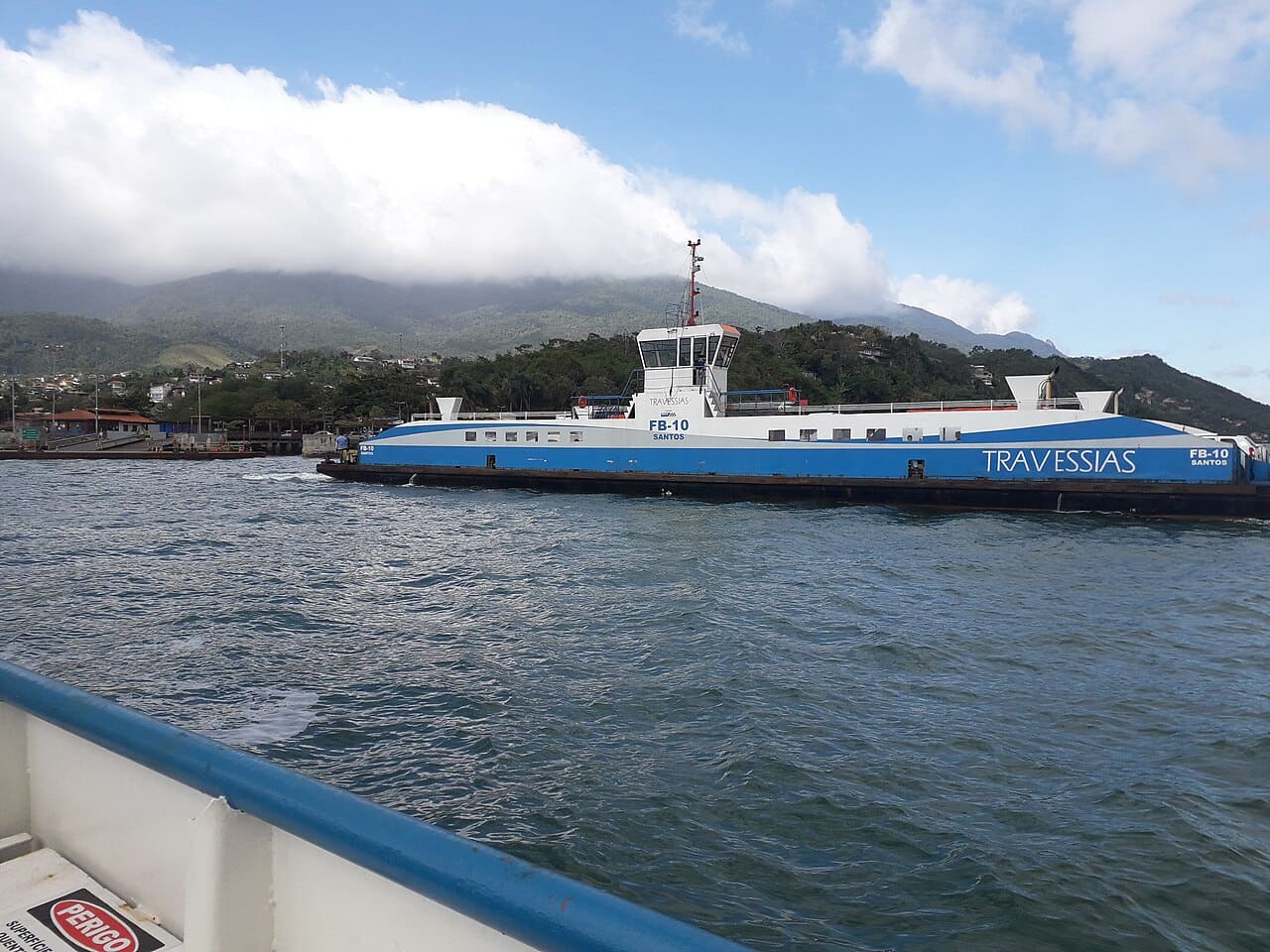
There are two ways to save on a trip. The first is collecting tricks: the free ferry, the cheaper boat, the set lunch instead of the waterfront restaurant. We listed them all in how to travel the Costa Verde on a budget, and they work. The second way is what this article teaches: the method. Because a trick saves a day, but what decides whether the trip fits your budget is its design, done before any booking.
The credential of the people writing: ten years behind a hostel front desk in Ilhabela, watching the budgets of thousands of travelers up close. And a pattern that repeats: almost nobody blows the budget by overspending during the days; they blow it by deciding in the wrong order, weeks before leaving home. The method below exists to fix that, in six steps.
Step 1: set the ceiling before the destination
Most people plan backwards: they choose where to go, add up what the trip “will cost” and hope. The budget traveler inverts it: first the number, then the map. Decide how much you can spend in total, transport from your city included, and write the number down somewhere. It will be making the decisions from here on.
To calibrate ambition, the 2026 references, per person and excluding transport from home: a week on the Costa Verde costs R$ 1,400 to 2,200 on the backpacker profile and R$ 1,250 to 1,750 per person for pairs on the mid-range profile. The complete numbers, with three profiles opened line by line, are in Costa Verde travel costs. If your ceiling sits below that, the answer is not giving up: it is cutting destinations or days, never the safety margin from step 5.
Step 2: choose the season, because it is worth more than everything else
No decision moves the total cost as much as the date. The same week, on the same route, costs half in May what it costs in January: lodging across the whole region climbs to the top of its ranges in summer and on long weekends, some guesthouses require minimum stays, and events like FLIP (July 22 to 26 in 2026) send Paraty’s rates through the roof. April, May, September and October are the months when your money stretches furthest, with the bonus of less rain than summer and empty beaches; the month by month reasoning is in the guide to the best time to visit.
The method’s practical rule: if your vacation dates are locked into high season, remove one destination from the route and hand the difference back to the budget. A budget trip in January exists, but it is shorter or simpler, and knowing that in advance avoids the frustration of finding out at booking time.
Step 3: design the route around logistics, not the wish list
Every destination change costs transport, time and, often, a broken night’s rate. The budget route minimizes legs: destinations in geographic sequence, no zigzag, in the classic design our 7 day itinerary already solves: whoever enters through Rio does Ilha Grande, Paraty, Ubatuba and Ilhabela in that order; whoever enters through São Paulo mirrors it. The boat crossings sit at the start of the trip and the ride home depends on no tide or ferry schedule.
Two logistics decisions with direct impact on the total: going without a car (the whole corridor works by bus, ferry and boat, as the guide to the Costa Verde without a car shows, and a parked car on an island day is pure parking fees) and sleeping fewer times in more places, that is, bases of two or three nights instead of one night at every beach.
Step 4: split the ceiling into four envelopes
Every Costa Verde budget breaks down into the same four accounts: transport, bed, food and tours. The method asks for a spreadsheet, even a mental one, with an envelope for each. The ruler we watch work on the budget profile: the bed takes about 35% of the total, food about 30%, transport about 15% and tours the remaining 20%. On a R$ 1,600 ceiling for a solo week, that becomes R$ 560 for beds (seven dorm nights at R$ 80), R$ 480 for food, R$ 240 for transport and R$ 320 for one paid tour per destination. Tight, but it closes.
The usefulness of the envelopes is not precision, it is diagnosis. If the sum of the beds you researched passes a third of the ceiling, the problem is the season or the room type, and that is where you cut: dorms exist for this, and the decision between bed formats, with the real cost of each, is dissected in hostel, guesthouse or hotel. If the tour envelope burst, the solution is rarely “don’t tour”: it is swapping a paid tour for a free program, which the Costa Verde has in abundance, from trails to historic centers. The tight envelope points to the right hack on the tactics list.
Step 5: book in the right order and leave a margin
The booking order follows a logic of scarcity, and getting it wrong costs money. First, the bed in the limited-supply destinations: Ilha Grande genuinely sells out, and so does holiday lodging across the whole region. Second, long-distance transport, bus or flight to the region. Third, nothing: schooners, speedboats and local tours get booked at the pier, the day before, almost always cheaper than online. The honest exception is experiences with counted spots and a single date, like a boat expedition or a holiday package, which get treated like the bed: first in line.
And the step that separates a budget from a guess: reserve 10 to 15% of the ceiling as a contingency margin, outside the envelopes. A cold front cancels the speedboat and traps you one extra day on the island, rain calls for a paid plan B, a flip flop snaps. If the margin is left over, it becomes the farewell dinner; if it is missing and does not exist, it becomes the credit card you promised not to use. The other classic first-trip mistakes are in how to plan your first Costa Verde trip.
Step 6: on the road, alternate expensive days and cheap days
The method does not end at booking. On the road, the tool is a single one: alternation. A crossing day with a paid tour is an expensive day; the next day is trail, beach on foot and the hostel kitchen. That seesaw keeps the daily average in the R$ 150 to 250 range without demanding napkin accounting, and it has a side effect nobody expects: the cheap days tend to produce the best stories, because they are the days you move slowly.
One example of predictability that helps the budget, with the house’s interest declared: part of the travelers we welcome prefer to lock the biggest bills into a fixed number before leaving home, and that is what formats like building your Ilhabela stay with everything defined exist for, or the Albatroz expedition on the Paraty sea, where bed, the chef’s meals and activities enter a single price starting at around R$ 990, payable in 10 installments. Budgets like closed numbers: what is already paid holds no surprises.
The method in one line
Ceiling first, season before route, route by logistics, four envelopes, booking in order of scarcity with a 10% margin, and the expensive-day, cheap-day seesaw on the road. It is less romantic than opening the map and dreaming, we admit. But it is what makes the dream fit the paycheck, and the reward shows up on the way back: a well-built budget trip leaves no debt to spoil the memory.
Next step: open the real numbers in Costa Verde travel costs, pick your profile and fill the four envelopes with your own figures. The sea charges nothing from those who arrive with a plan.